Smart building logistics as part of sustainable hospital design
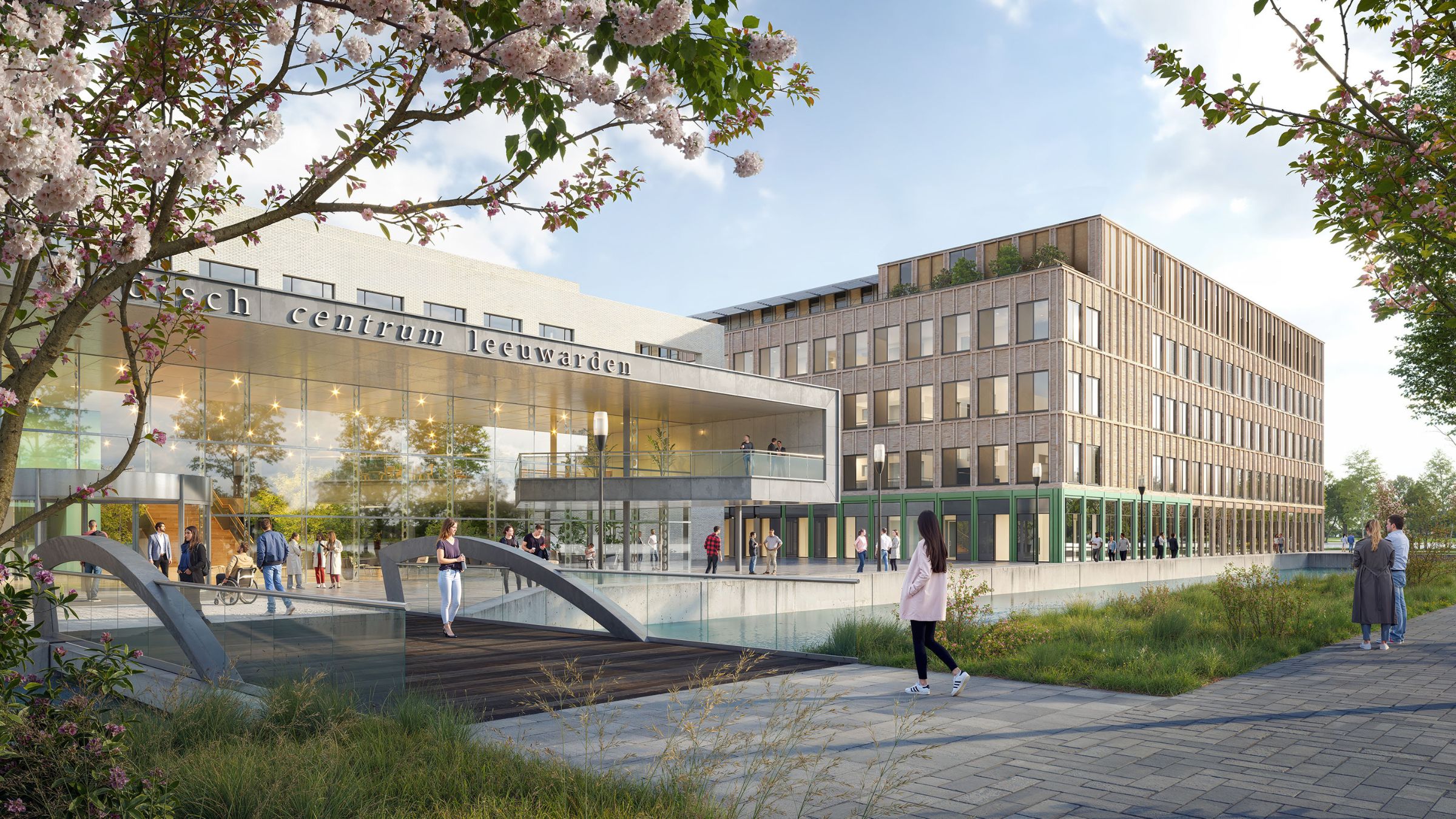
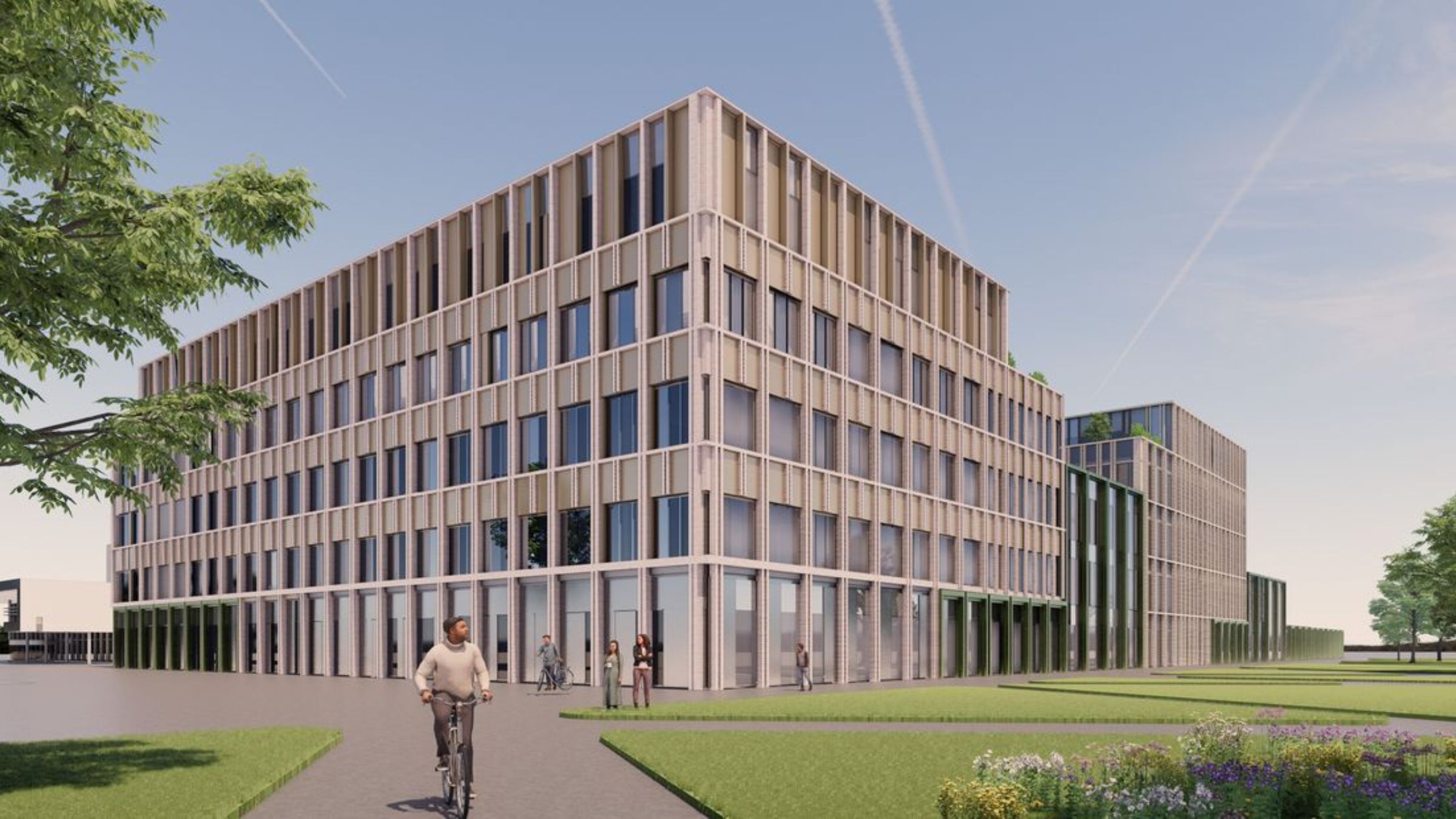
At the new Frisius MC in Leeuwarden, Stansz chute systems are being integrated as part of a sustainable and future-proof building logistics concept.
Designed by EGM architects and constructed by Trebbe, this top-clinical hospital will feature a waste logistics solution that aligns with the ambitions of contemporary healthcare architecture: energy-efficient, low-maintenance, and operationally smart.
Over the coming years, Frisius MC will transition into a circular hospital that meets the requirements of the Green Deal Healthcare 3.0 and the roadmap towards climate-neutral care by 2050.
Sustainability here is not only about the energy performance of the building, but also about how it is used and operated. And in that operational phase, Stansz makes the difference.
Less transport, less strain
In a 24-hour care facility, the internal flow of waste, laundry, and goods creates constant movement, leading to energy use, noise, and wear and tear.
Stansz chute systems streamline these flows by using gravity instead of mechanical transport.

| Aantal inwerpdeuren | 4 |
| Materiaal | Stainless steel |
| Partners | EGM Architecten, Trebbe |
| Containers | 10 |
This results in several clear advantages:
• Reduced elevator use;
• Less damage to walls, floors, and doors;
• Lower maintenance and repair costs for installations;
• Quieter and cleaner care departments.
For architects, this means less space needed for waste storage, potentially fewer elevator shafts, and the opportunity to design a quieter building thanks to a logistics system that fits perfectly within the principles of a healing environment.
Designed for circularity and long lifespan
The Stansz systems at Frisius MC are made of stainless steel (RVS 304), a material ideally suited for healthcare environments. It is strong, hygienic, and fully recyclable, with a service life of 40 to 80 years.
As such, the chute systems contribute not only to sustainable operation, but also to a circular building design that prioritizes longevity and material reuse.
Building logistics as a design factor
At Frisius MC, sustainability is approached in an integrated way.
The hospital connects to a district heating network, uses geothermal energy, and is designed with an emphasis on daylight, greenery, and recovery. Within this holistic concept, internal logistics is treated as a key element of sustainable design.
The Stansz chutes make a large part of the waste and laundry transport invisible, silent, and energy-efficient, creating calmer and safer spaces for patients and staff.
They provide a practical translation of the shared vision of Frisius MC and EGM architects: a building that supports health, saves energy, and is ready for the future of healthcare.