Smart building logistics as part of sustainable hospital design
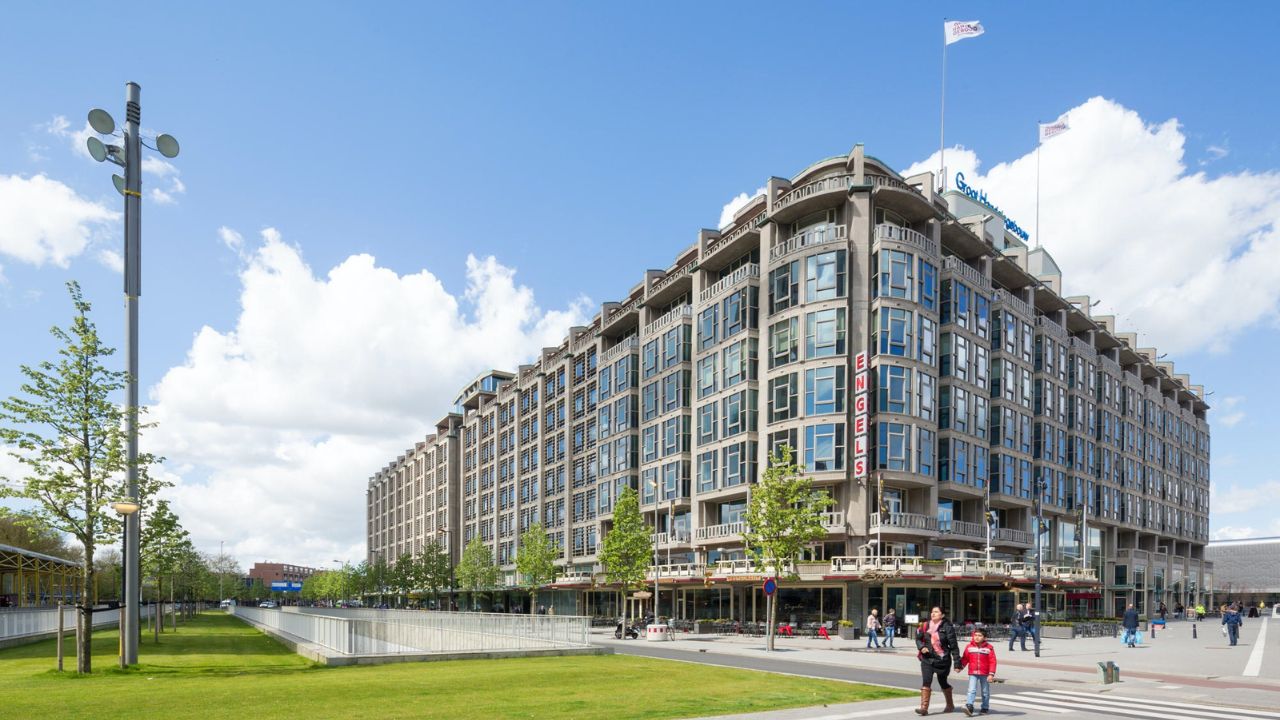
The Groothandelsgebouw in Rotterdam is one of the most recognizable examples of Dutch post-war reconstruction architecture. Since 1953, it has been a vibrant hub where companies, shops, and offices come together within a single, impressively large complex.
During the large-scale renovation from 2002 to 2005, carried out by architectural firm J. van Stigt, the monumental building was made future-proof. Part of this modernization involved optimizing the internal logistics with a waste chute system.
Renovating in a fully operational building
A building with 1.5 kilometers of internal streets and 7 kilometers of corridors and galleries demands a carefully designed logistics plan. The renovation posed an additional challenge: all construction work had to take place while the building remained fully operational.
The Stansz chute system plays a quiet yet crucial role in this logistical process. Through 30 intake doors located throughout the building, waste can be collected efficiently and hygienically and transported directly to the central collection point. This ensures daily operations continue undisturbed, without waste transport through corridors or elevators.

| Aantal inwerpdeuren | 30 |
| Materiaal | Stainless steel |
| Partners | Buro van Stigt, Strukton |
| Containers | – |
Tailor-made for a monumental context
Since the Groothandelsgebouw has been a listed national monument since 1991, every technical intervention had to be carefully aligned with the original architecture by H.A. Maaskant. The Stansz system was therefore fully integrated into the existing structure without compromising the building’s character. The chutes align seamlessly with the structural and technical upgrades implemented during the renovation.
Always future ready
Thanks to the renovation, the Groothandelsgebouw now meets modern standards for energy efficiency, hygiene, and user comfort. As the first monument in the Netherlands to receive a green A-label in 2009, it stands as a model of sustainable design, where even internal logistics and waste management were part of the solution.
The Stansz waste chute system contributes to this achievement by combining low-maintenance and sustainable waste transport with the aesthetic and functional quality expected of a national monument.
Over the years, Stansz has carried out several technical upgrades to the system, ensuring it continues to meet the latest standards and can operate reliably for decades to come.